


Opera didn’t appear in Vancouver overnight. The city gradually formed its own style—not European and not classical in the traditional sense, but one closer to Vancouver’s own culture and way of life. And yet, opera has taken root here. It may not be as grand as in Milan or New York, but it has heart, openness, and a fascinating history. It all began with amateur performances organized by immigrant communities: small shows, choral music, and scenes staged in schools and theatres. Then, in 1958, Vancouver established its first fully professional opera company. From that moment on, everything changed. More on this from vancouver-trend.
Today, you can hear everything from “Madama Butterfly” to contemporary chamber pieces, and even traditional Cantonese opera.
Opera in Vancouver Before the 1950s
Until the mid-20th century, Vancouver didn’t have a major opera scene. But that doesn’t mean opera wasn’t heard here. It could be enjoyed in choirs, as standalone arias, or on amateur stages. The first to introduce this beautiful musical-dramatic genre to Vancouverites were immigrants from Europe. It was they who instilled a love for classical music in the city’s residents. At that time, opera developed through community efforts. People gathered in church halls, community centres, and small theatres. There, they would stage excerpts from operas or hold full concerts without large sets, but with great enthusiasm. For many vocalists, their training actually began in church choirs.
Musical societies also played an important role. Some, like the Vancouver Bach Choir (founded in 1930), organized performances and supported musicians. Although their repertoire consisted mainly of choral music, they also participated in opera initiatives, especially in performing vocal scenes. There were also private studios where singing was taught. Students there learned not only technique but also became familiar with the operatic repertoire of Wagner, Verdi, and Puccini.
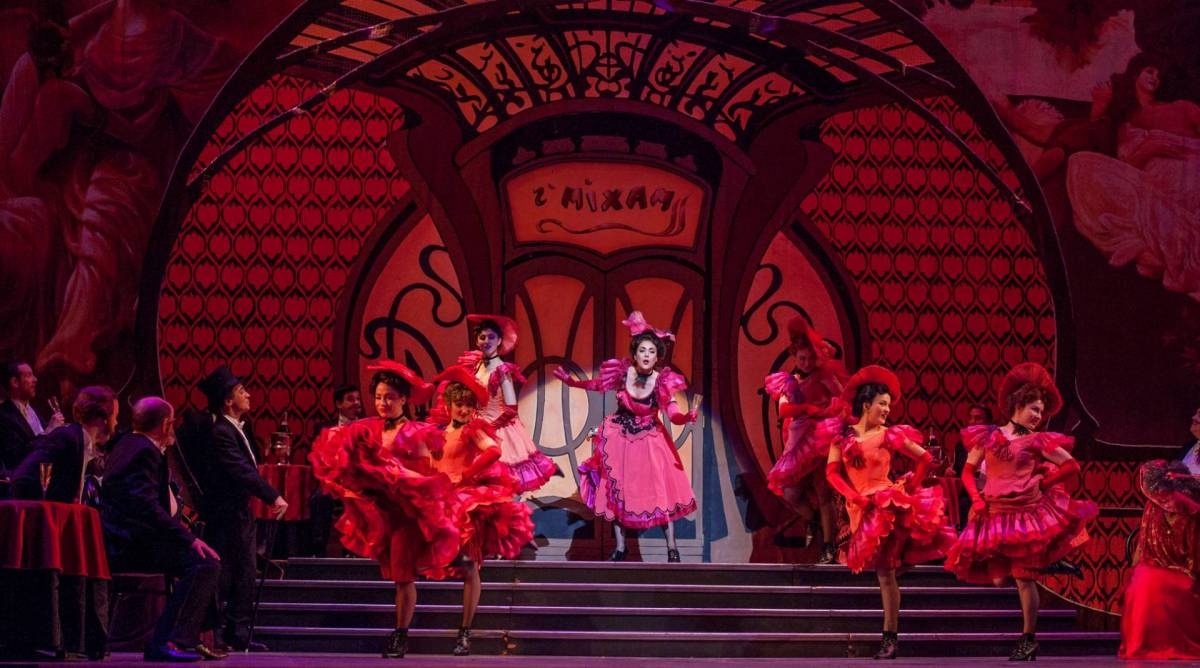
The first opera performances in Vancouver took place on stages that had long promoted theatre or dance. For example, the Orpheum Theatre, built back in 1927, sometimes hosted opera performances as part of touring productions or local projects. But this was more the exception than the rule. A real breakthrough was still several decades away. However, it was these “first attempts” that laid the groundwork for the future professional scene. And they prove that the history of opera in Vancouver is a story of hard work, immense talent, and overcoming obstacles.
The Birth of Vancouver Opera
In 1958, Vancouver Opera was born, becoming the first professional opera company in British Columbia. From that point on, the future of opera culture in the city changed dramatically. What were once isolated amateur performances became full-scale productions on grand stages with professional vocalists and close attention from the press.
The first few years for the newly formed company were full of challenges. But there was also plenty of enthusiasm, as audiences flocked to the shows. Critics wrote reviews. The community provided financial and moral support. By the early 1960s, the repertoire included classical works, featuring both Italian opera and projects by contemporary Western composers. Every premiere was an event, and the performers became local stars.
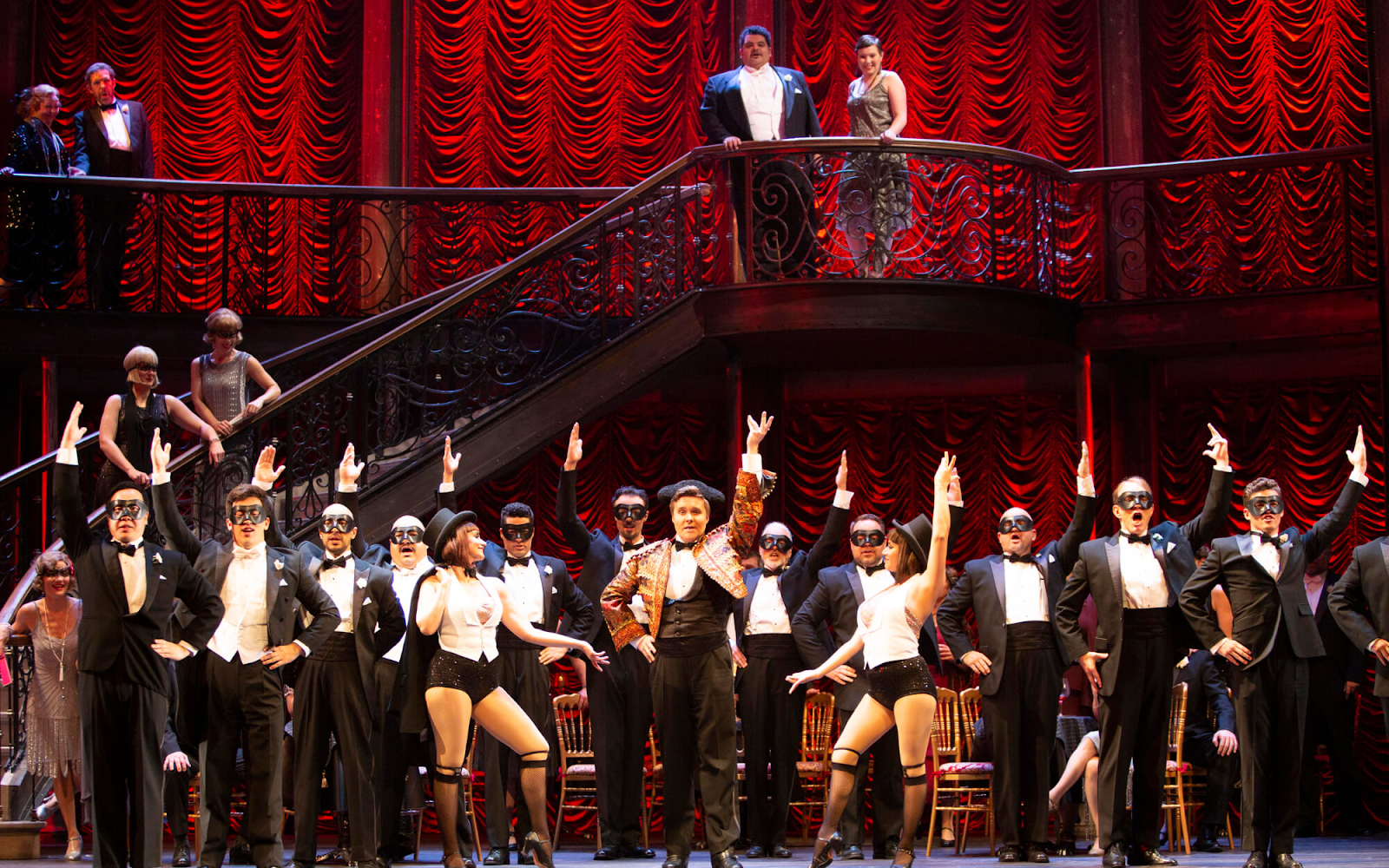
In 1959, the Queen Elizabeth Theatre was built. It was a spacious and modern stage where large-scale projects with an orchestra, sets, and full operatic staging could be realized. From that moment, Vancouver Opera gradually transformed into a recognized cultural force in the city. In the 1980s and 1990s, the theatre reached new heights: international soloists began to perform in the city, the company’s orchestra became a professional entity, and the repertoire was more diverse than ever. Before the pandemic, Vancouver Opera’s mainstage productions attracted about 49,000 audience members annually. And in the 2023-24 season, the company set a new record: over 30,000 people attended performances at the Queen Elizabeth Theatre, with another approximately 33,000 participating in free events and educational programs.
City Opera and Alternative Formats
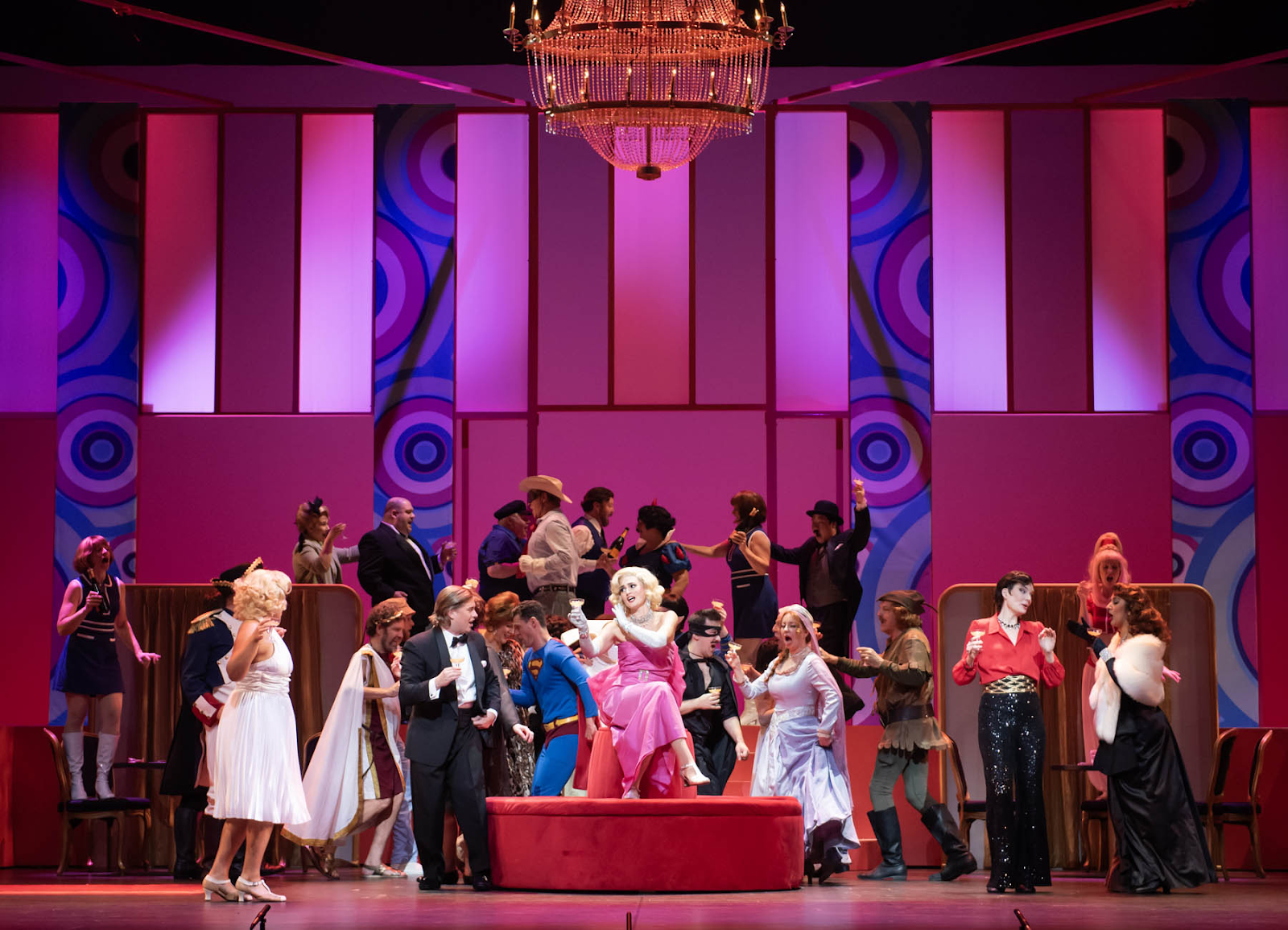
Back in 2006, Vancouver saw the emergence of City Opera Vancouver—a professional chamber opera company whose members decided to radically change the approach to this art form. The institution was founded by a group of like-minded individuals led by artistic director Charles Barber. The idea was simple: to make opera less formal, more contemporary, and closer to the audience.
One of their most famous initiatives is the Opera Pubs series—evenings in an “opera and a glass of wine” format at the Fabrique St-George bar. These are free, monthly events where vocalists perform arias and ensembles in a chamber atmosphere. Accompanied by a witty host, you can listen to opera without a dress code or formalities.
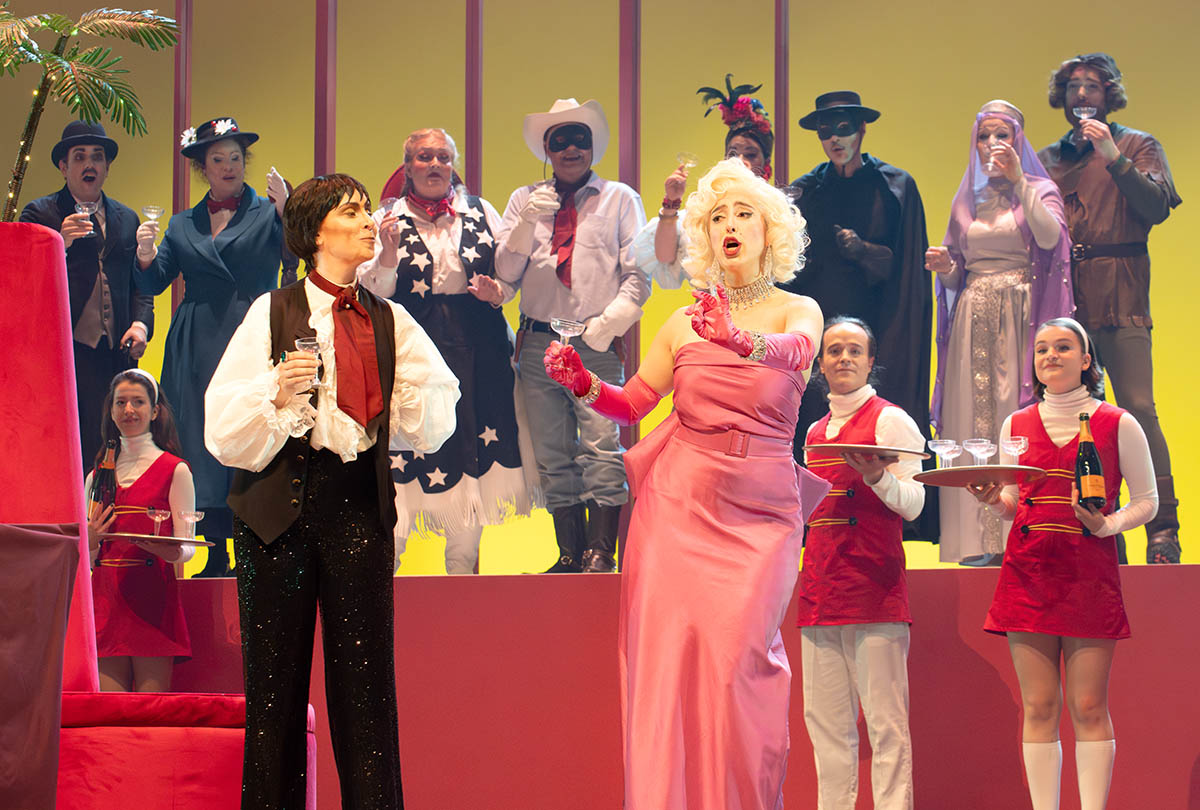
Furthermore, City Opera Vancouver constantly experiments: they create new chamber operas based on contemporary themes and local stories. For example, the opera “Chinatown” tells the story of Chinese immigrants in Vancouver, while “Pauline” and “Missing” are based on Canadian cultural experiences. In addition to productions, the company actively collaborates with local artists, organizations, and communities. For instance, in the “Missing” and “Chinatown” projects, the team held community workshops, met with residents of the Downtown Eastside, and involved directors and artists to create librettos in dialogue with people’s real experiences.
Ethnic Traditions and Communities
It’s clear that opera culture in Vancouver is not just about classical arias on a grand stage. It is also the city’s diverse chorus of voices, where a wide variety of cultural traditions are preserved and shared. One of the most prominent roles here is played by Vancouver Cantonese Opera, an organization that has been active since 2000. Its goal is to preserve and promote Cantonese opera among Canadian audiences. And it’s not just about traditional performances. The company’s repertoire also includes experimental productions that blend classics with contemporary music, multimedia, and stories from local life. For example, “The Prop Master’s Dream”—an opera that touches on the theme of Chinese-Indigenous relations in Vancouver—was a highlight of the Heart of the City Festival and received critical acclaim.
The Cantonese scene has deep roots. Back in the 20th century, the local Chinatown had musical societies that organized performances for the community. They rehearsed in special rooms, raised funds for costumes, and even built their own small stages. These initiatives laid the groundwork for the development of professional Chinese opera in Vancouver. But it wasn’t just the Chinese community that developed the vocal arts in the city. Japanese, Persian, Ukrainian, and other ethnic ensembles also perform here. You can see them at multicultural festivals, in community centres, or during joint events with classical theatres. For example, Ukrainian choirs perform folk songs in professional arrangements, while Persian vocalists present ancient Persian compositions accompanied by authentic instruments. And amidst this diversity, there is one special person known to many Vancouverites: a man often simply called the Opera Man. He usually sings on the streets of Granville Island or performs opera arias right in the city centre. He has no posters or stage costumes, but he possesses a voice that instantly captivates passersby. To some, he’s an eccentric, but to others, he is a symbol of Vancouver’s living, breathing music scene.