


The rise of filmmaking in Vancouver is often linked to the dynamic changes of the late 1960s: the decentralization of the National Film Board (1966), the creation of the Canadian Film Development Corporation (1967), and the new Broadcasting Act (1968), which expanded distribution opportunities. However, the city already had a vibrant film scene even before these reforms. Read on at vancouver-trend.
The Making of a Unique Film Community
Throughout the 1960s, film production in Vancouver steadily grew across all genres and formats, from 8mm experimental shorts to 35mm feature films. This creative surge was supported by local institutions: CBC Vancouver (CBUT) opened doors for new talent, while the University of British Columbia became a hub for film arts. At the same time, a distinct West Coast cultural identity was taking shape, uniting the region’s artists and cultural industries. The decentralization of Hollywood and the impact of the Vietnam War, which spurred migration, also played a role.
This mix of international, national, and local factors created a unique cinematic environment in 1960s Vancouver. Different groups of filmmakers worked in parallel, often unaware of each other, but their collective work shaped the city’s diverse and original film legacy.
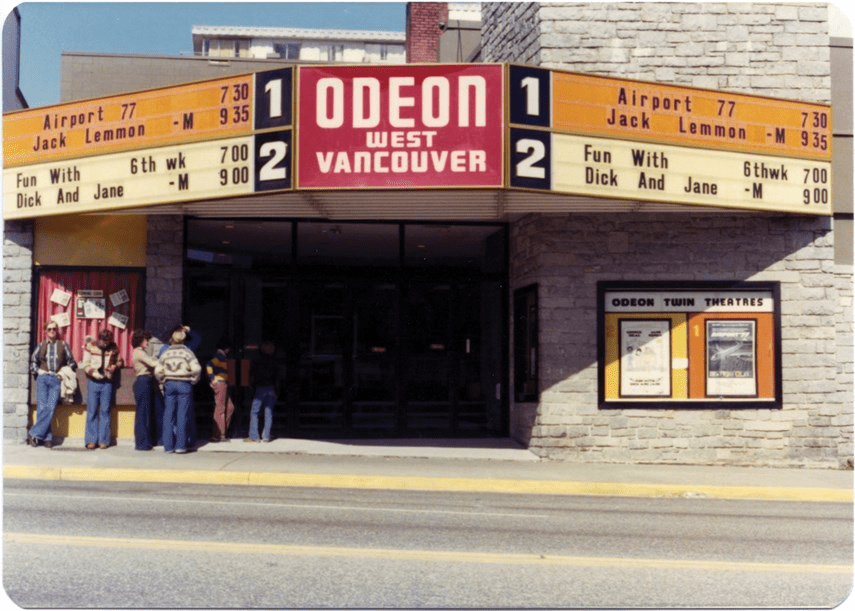
The 1960s transformed Vancouver into a hub of cinematic experimentation, where cultural exploration, technical innovation, and social change converged. This article covers the period from the release of the iconic miniseries Cariboo Country (1960) to 1972, the year Cineworks and the Pacific Cinémathèque were founded, and the National Film Board of Canada’s Pacific office expanded its operations.
Vancouver’s Experimental Cinema: Innovation and Exploration in the 1960s
Vancouver’s independent cinema from this era was defined by a unique vision, as filmmakers explored the interplay between culture and nature amidst the city’s rapid modernization. West Coast cinema blended modernist technological experiments with mystical explorations and a critique of mass culture. The concept of “expanded cinema,” popularized by Gene Youngblood, treated visual technologies—alongside psychedelics and meditation—as tools for expanding consciousness.
Among the most vivid experimenters was Al Sens, whose film The See, Hear, Think, Act Film (1965) combined animation, still frames, and a cartoonish style to satirize American media and the absurdity of the modern world. His work was stylistically reminiscent of Monty Python, as he used techniques ranging from stop-motion animation to fluid, abstract visuals similar to the psychedelic experiments of Sam Perry.
A critique of media and consumer culture can also be seen in Gary Lee-Nova’s Steel Mushrooms (1967). Its rapid-fire editing of urban industrial landscapes and nuclear explosion footage delivers a powerful visual punch, forcing viewers to reconsider violence and destruction in the modern world.
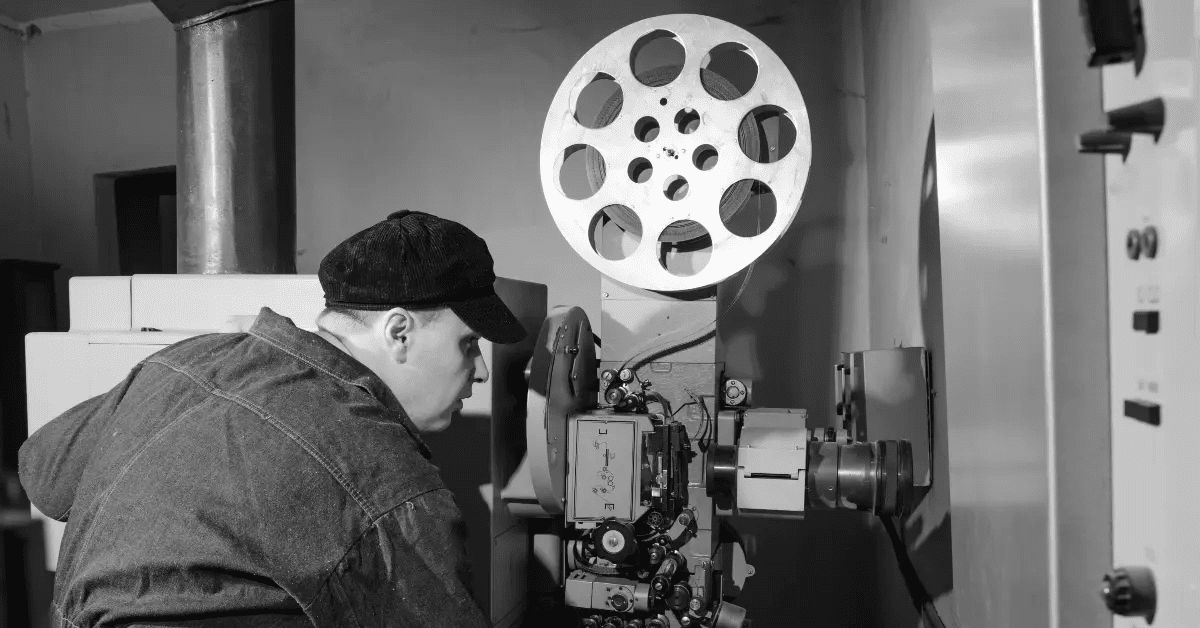
The 1960s were a period of bold exploration for Vancouver filmmakers. Free from traditional constraints, they experimented with form, challenged the media, and created cinema that remains a unique reflection of its time.
In the late 1960s, Vancouver’s cinema continued to evolve, becoming increasingly bold and experimental. However, this period was marked not only by new technical explorations but also by a deep reflection on the relationship between nature, culture, and modern technology.
Director David Rimmer took experimental film to a new level by blending natural rhythms with cinematic techniques. His film Migration (1969) explores the theme of life’s cyclical nature through repetitive visual motifs, creating a hypnotic effect. This is cinema that doesn’t just show nature but makes the audience feel its fragile balance in the face of technological expansion.
Keith Rodan demonstrated another approach to abstract film with his Cinetude series, created in Vancouver. His hand-painted designs on 35mm film—full of vibrant colours and continuous transformations, paired with improvisational jazz music—echo the work of the legendary animator Norman McLaren.
These and many other directors worked within the arts collective Intermedia (1967–1972), which became a centre for innovative exploration. Its concept aligned with Gene Youngblood’s idea of “expanded cinema”—an art form that integrates different media to create a holistic viewing experience. Despite Intermedia’s closure in the early 1970s, cinematic experimentation didn’t stop. It found new momentum in film collectives like Cineworks and the Cinémathèque, as well as in the video art scene that blossomed thanks to Video In and The Western Front.
CBC and Social Change: The Impact on the City’s Cinema
The CBC played a significant role in supporting filmmakers. Producer Stan Fox launched the series Enterprise (1967–1968) and New World (1969), giving local directors a platform. This not only helped popularize experimental film but also captured the cultural mood of the era. For example, Tom Shandel’s documentaries What Happened Last Summer (1967) and Generations (1969) highlight the emergence of the hippie movement and political activism, leaving behind a unique record of social change.
In this way, the 1960s became the period when Vancouver’s cinema forged its own identity—bold, experimental, and inextricably linked to the spirit of change.
Art and Social Issues
While the films in the “Generations” series may not be perfect, sometimes showing a touch of student-film affectation, they offer an incredible glimpse into the dawn of self-awareness in Vancouver’s dynamic arts scene. These shorts combine poetry, art, and music from unique performers like Jim Brown, Al Neil, Jack Wise, Paul Wong, the George Zuckerman Trio, and many others. All of these works confirm that Vancouver truly has a unique cinematic style and independent spirit that sets it apart from Toronto or Montreal.
Exceptional series like Cariboo Country (1960, 1963–66) continue to impress with their originality and powerful substance. Written by Paul St. Pierre and directed by Philip Keatley, these episodes present viewers with the complex relationships between white and Indigenous communities through life in the fictional town of Namko. Pivotal episodes like The Education of Phyllistine and How to Break a Quarter Horse explore the difficult realities of colonization and its impact on interactions with Indigenous peoples. Each episode becomes more than just a TV show; it’s an expression of deep-seated social issues.
The series The Manipulators (1970–71), shot in colour and on location in Vancouver, redefined the TV drama. Its examination of race and crime in Western Canada, along with its focus on the life of a parole officer, was a true revelation. A special appearance by Margot Kidder in the episode Games is an example of how television series can be not only entertaining but also socially relevant, tackling important themes and experimenting with form.
These works are not just a part of Canadian culture; they are an essential chapter in the history of film and television, capturing and shaping the West Coast experience through the lens of art.